Assistance Dog Training

At Ruskies, I provide owner-trained assistance dog support that focuses on welfare, foundations, and public access readiness. My role is to guide both the handler and the dog as a team, helping you build skills, confidence, and routines that work in real life.
This service is designed for disabled handlers who want ethical, structured, and realistic support in training their own dog.
I focus on:
Building calm behaviour and focus
Teaching foundations for public access
Supporting task training relevant to your needs
Ensuring the welfare of both dog and handler
I do not provide official certification, registration, or legal access guarantees. Instead, I offer guidance, assessment, and coaching to help you and your dog progress safely and confidently.
Whether you’re starting with a new puppy, struggling with certain behaviours, or preparing your dog for public work, my support is tailored to your individual team and goals.
We can help
Physical / Mobility Assistance
Pulling or stabilising when walking
Retrieving items from the floor or shelves
Opening and closing doors, drawers, or cupboards
Pressing buttons (e.g., lifts, light switches)
Assisting with balance or getting up from the floor
Psychiatric / Emotional Support Tasks
Anxiety or PTSD episodes
Panic attacks or dissociation
Depression-related challenges
Providing grounding, deep pressure, or interrupting harmful behaviours

Daily Living Assistance
Carrying bags or items
Picking up dropped objects
Assisting with household routines
Helping handlers get dressed or manage equipment

Medical / Health Support
Diabetes (alerting to low or high blood sugar)
Epilepsy (alerting or providing safety support during seizures)
Heart conditions or other health events (alerting to symptoms)
No Long Waiting Lists
I know first hand how frustrating it can feel when you’re waiting for help — especially when you’re living with pain or caring for someone with additional needs. In the UK, mainstream charity assistance dog programmes can have very long waiting lists, sometimes stretching out for years before a fully trained dog is placed with a handler, and in some cases waiting lists are even closed temporarily due to overwhelming demand. That’s why I offer private, owner‑trained support — so you don’t have to wait months or years for help. These dogs are trained with you and your dog working together, building a partnership from day one. I know how important it is to get support now, not “sometime in the future,” and I’m here to help you and your dog start making progress today.
Assistance Dog Training
Day Schooling
Day schooling provides short-term, intensive support for you and your dog when certain skills or behaviours are proving tricky at home. Your dog spends the day with me working on foundation behaviours, calmness, focus, and public access readiness, while you receive guidance and coaching to continue progress at home. This is a supportive, hands-on way to help your team succeed without removing the handler’s role
Residential Stays
Residential stays offer short-term, intensive training and support for dogs and handlers who need extra help building foundation skills. Your dog stays in a calm, structured environment, working on behaviours like calmness, focus, and public access foundations, while you receive guidance and handover sessions to continue training at home. These stays are designed to support, not replace, your role, ensuring your team progresses safely and confidently.
1-1 Lessons
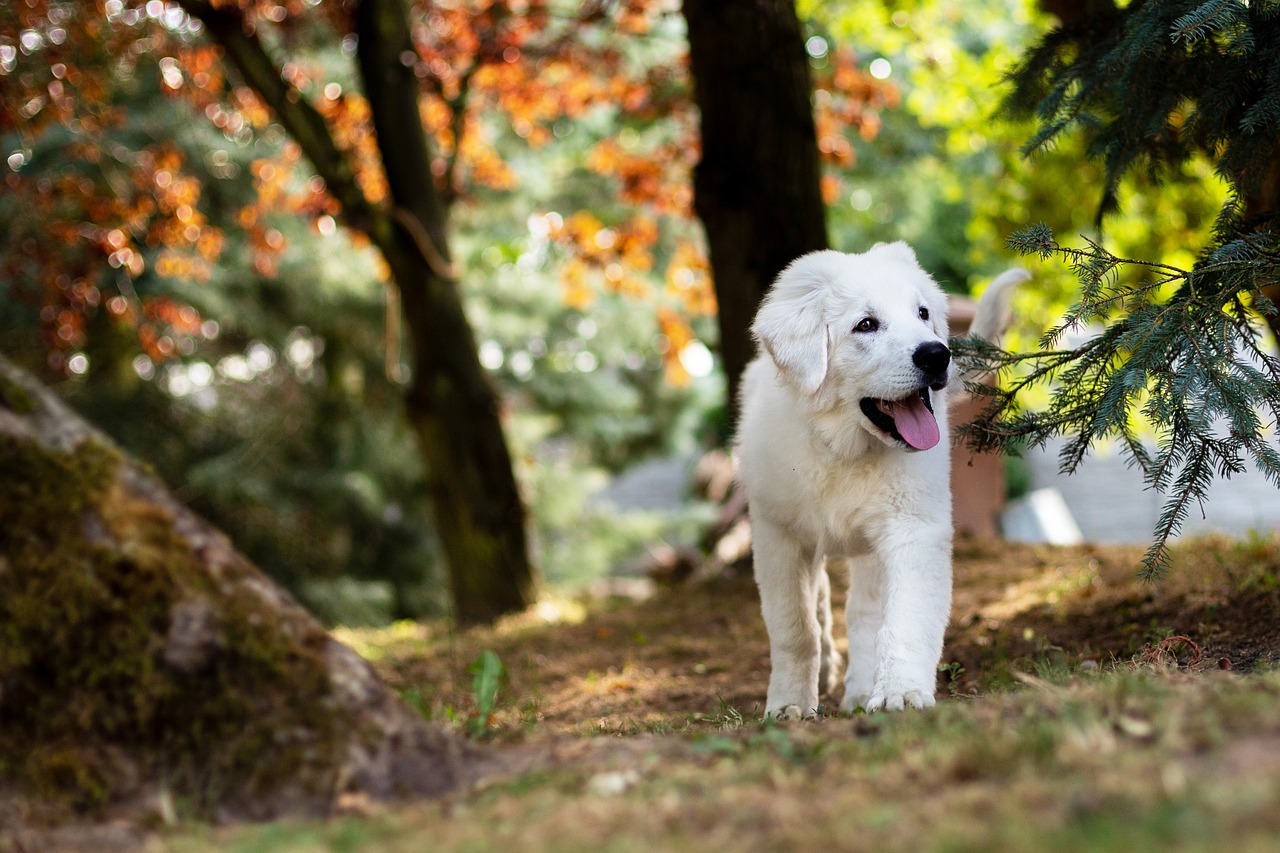
My 1-to-1 sessions offer personalised, gentle support tailored to you, your dog, and your individual needs. These sessions move at your pace, focusing on what will help you most right now — whether that’s foundations, confidence, calmness, or specific assistance skills. I understand how challenging daily life can be, especially when you’re living with pain or caring responsibilities, so sessions are designed to be supportive, flexible, and realistic, helping you and your dog build skills together without pressure.
Finding a Puppy
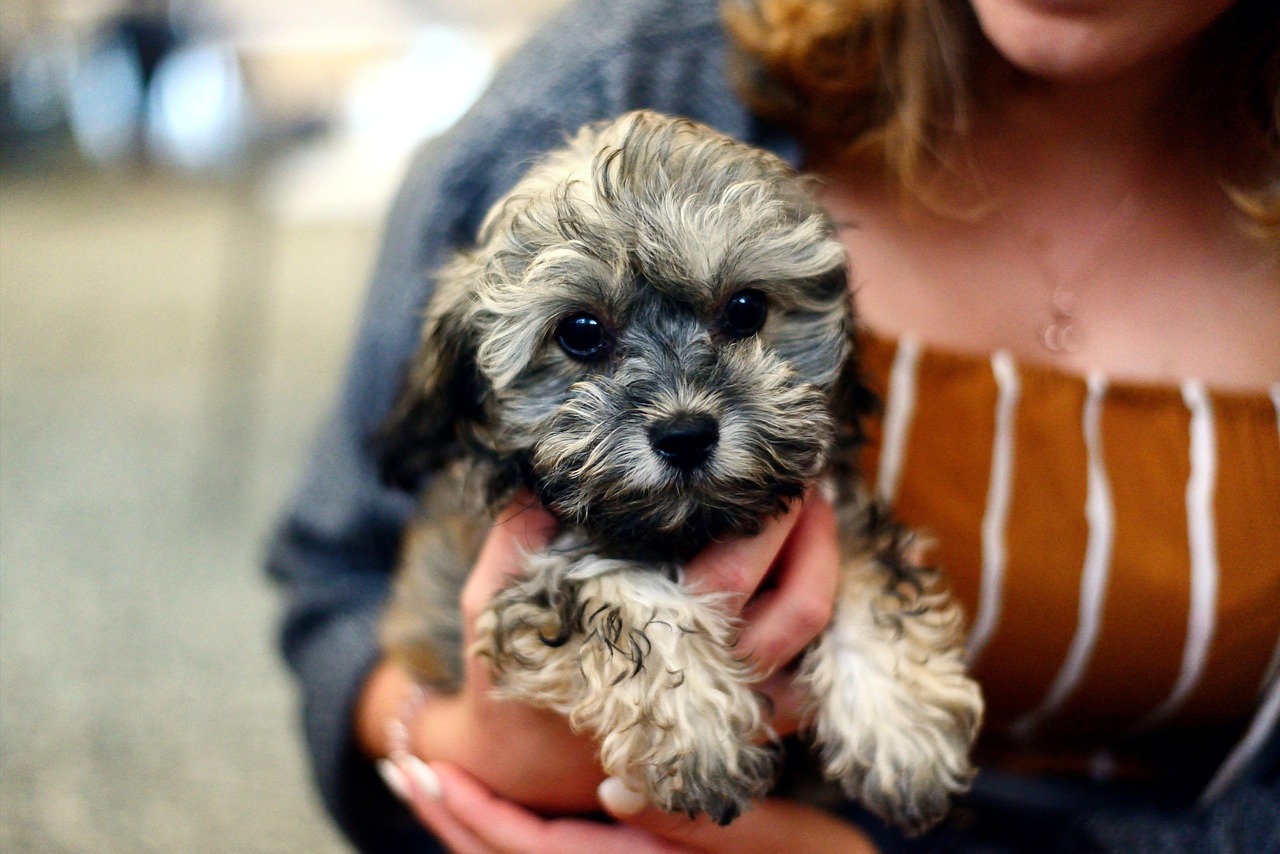
Choosing the right puppy is one of the most important steps in an assistance dog journey. I provide guidance to help you find a dog with the right temperament, energy, and suitability for your needs, including advice on ethical breeders and red flags to avoid. This support helps ensure your dog has the best chance of success, reduces future training challenges, and sets your team up for a happy, long-term partnership.
Whats Included
Initial suitability assessment – We look at your dog’s temperament, your handling skills, and your team’s readiness for training and public access.
Foundation training guidance – Calm behaviour, focus, settling, and basic obedience tailored for assistance work.
Public access support – Staged introduction to public environments, building confidence and reliability step by step.
Task training support – Guidance on teaching specific tasks that support your disability, safely and effectively.
Handler coaching – Support to improve your skills, understanding, and confidence as a trainer of your own dog.
Residential or day schooling (optional) – Short-term intensive support to help you or your dog when needed, with clear handover and ongoing guidance.
Puppy selection guidance (optional) – Advice on choosing the right dog for assistance work, including temperament, breed considerations, and ethical sourcing.
Regular reassessment and progress review – Monitoring progress, adjusting goals, and supporting continued welfare and success.
Supportive resources – Handouts, video feedback, and personalised plans to help you continue training safely at home.
All sessions are designed to empower the handler, not replace your role, and to ensure the dog’s welfare and safety are prioritised.
Common Questions
What Training methods do you use?
Fun and ethical training methods are used to shape your dog's behaviour.
Does Ruskies Dog Training have qualifications?
Yes, Laura takes her academic and practical training very serious. She has completed many courses including a Level 5 in Dog Training and Behaviour. Laura is also currently working towards being a clinical behaviourist.
How do I book?
You can easily book a session through the website. Alternatively you can get in touch with us via phone, email, or social media.
What areas do you cover?
Ruskies Dog Training offers group classes in the Beverley, Ellerker and Brough areas. One-to-one sessions are available in South Cave and surrounding areas, with travel options available upon request.
COMPANY
CUSTOMER CARE
LEGAL
FOLLOW US


Copyright 2026. Ruskies Dog Training. All Rights Reserved.